


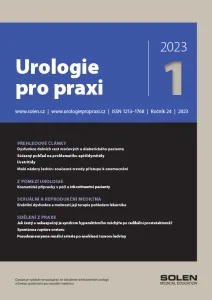
Urologie pro praxi 2/2026
Current pharmacological options for the treatment of acute cystitis and the prevention of recurrent cystitis
Cystitis is the most common urinary tract infection and a major driver of antibiotic prescribing in outpatient care. Acute uncomplicated cystitis requires a rational selection of short antibiotic regimens with minimal ecological impact, consistent with antimicrobial stewardship principles. Recurrent cystitis – defined as three episodes within 12 months or two episodes within 6 months – results from complex mechanisms including intracellular bacterial reservoirs, alterations of the vaginal microbiota and functional disorders of the lower urinary tract. Modern prevention prioritizes non-antibiotic strategies such as vaginal estrogens in postmenopausal women, methenamine hippurate, phytotherapy, D-mannose, oral immunomodulation and endovesical instillations of hyaluronic acid. Antibiotic prophylaxis should be reserved for cases in which these measures fail. This review summarizes current pharmacological approaches to the treatment of acute cystitis and prevention of recurrent cystitis and provides an evidence-based practical algorithm aimed at reducing recurrence rates, improving quality of life and mitigating the rise of antimicrobial resistance.
Keywords: urinary tract infections, acute cystitis, nonantimicrobial prophylaxis, antimicrobial resistance, phytotherapy, D-mannose, non-antibiotic prophylaxis.

