

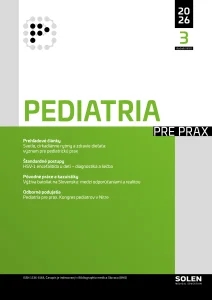

Pediatria pre prax 3/2026
Toddler nutrition in Slovakia: between recommendations and reality. Persistent risks, but also signs of positive change
Introduction: Early childhood nutrition plays a crucial role in growth, development, and long-term health outcomes. Despite the availability of evidence-based recommendations, parents are often exposed to inconsistent and non-scientific information, which may lead to inappropriate dietary practices in young children.
Aim: The aim of this study was to compare paediatricians’ perspectives on nutrition in children under three years of age with actual dietary patterns assessed using the NutriCHEQ tool, and to identify key nutritional deficiencies.
Material and methods: The study included 135 outpatient paediatricians in Slovakia. A combination of quantitative (questionnaire) and qualitative (structured interviews) methods was used. Additionally, anonymised data from more than 4,700 NutriCHEQ questionnaires filled in by parents at https://1000dni.sk/nutricheq/ collected between 2022 and 2025 were analysed.
Results: More than 77 % of paediatricians consider nutrition an essential component of preventive care. The most frequently identified issues include excessive sugar intake, improper introduction of complementary feeding, and insufficient dietary diversity. NutriCHEQ data confirmed persistent nutritional inadequacies, particularly low iron intake, insufficient consumption of fruits and vegetables, low intake of fish and red meat, and high consumption of ultra-processed foods. Trend analysis showed a slight decrease in the consumption of sweets and fast food, but without significant improvement in key nutrient intake.
Conclusion: The findings highlight a persistent gap between paediatric recommendations and actual parental practices. They emphasize the need for systematic parental education, strengthening of preventive strategies, and broader implementation of standardized tools such as NutriCHEQ in clinical practice.
Keywords: child nutrition, toddler, NutriCHEQ, paediatrician, dietary habits, nutritional deficiencies