



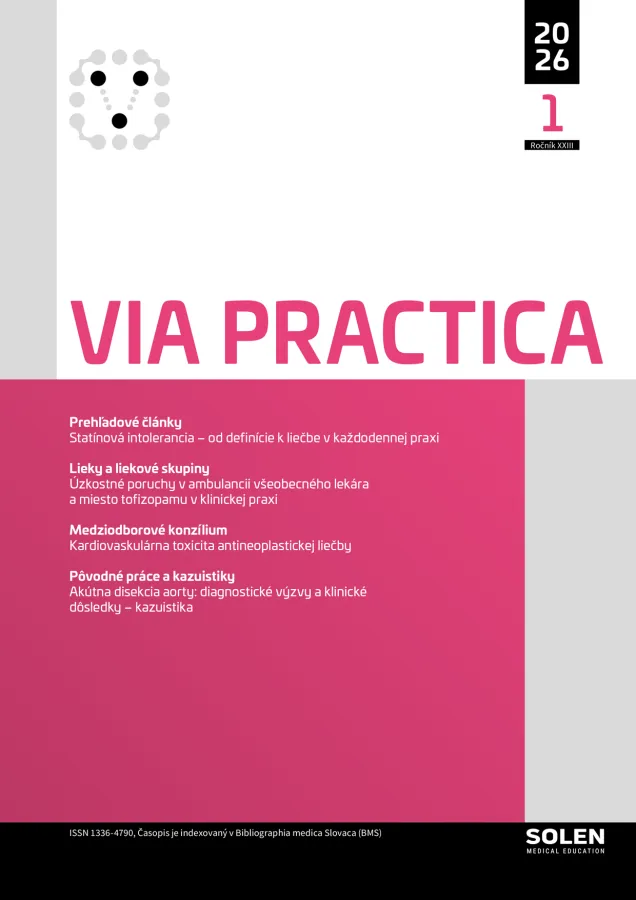
Via practica 1/2026
Cardiovascular toxicity of antineoplastic treatment
The risk of developing cardiovascular disease is statistically significantly increased among cancer survivors even years after completion of anticancer therapy. This elevated risk results from adverse effects of various anticancer treatment modalities, which are often used in combination (chemotherapy, targeted therapy, immunotherapy, and thoracic radiotherapy), as well as from traditional cardiovascular risk factors, including smoking, dyslipidemia, obesity, diabetes mellitus, and hypertension. In addition, novel molecular and genetic biomarkers are currently being investigated. The populations at highest risk include patients with hematologic malignancies, those with thoracic tumors, and childhood and young adult cancer survivors with long-term survival after oncologic treatment. Commonly diagnosed cardiovascular conditions include arterial hypertension, thromboembolic disease, cardiac arrhythmias, coronary artery disease, and cor pulmonale, while myocarditis and pericarditis occur less frequently. The final consequence of cardiovascular disease may be the development of life-threatening heart failure.
Keywords: cardiovascular toxicity, anticancer treatment, anthracyclines