

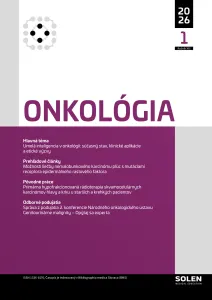

Onkológia 3/2018
Polycytémia vera – súčasný pohľad na diagnostiku a liečbu
Polycythemia vera – current view of diagnostics and treatment Polycythemia vera (PV) is characterized by a clonal expansion of hematopoietic precursors, erythrocytosis, frequent leukocytosis and / or thrombocytosis, and a specific mutation of the Janus kinase 2 (JAK2) gene is almost always present. Patients with PV are at high risk of vascular and thrombotic complications occuring and have poor quality of life due to disease symptoms, including pruritus, fatigue, constitutive symptoms, microvascular disorders and bleeding. PV may also be of a progressive nature with the occurrence of the dreaded complications of transformation into myelodysplastic syndrome, acute hemoblastosis, or progression to secondary myelofibosis. PV is still a non-curable myeloproliferative neoplasia. The aims of conventional treatment options are to reduce vascular and thrombotic risks with low dose of aspirin and phlebotomy for patients at low-risk of developing thrombotic complications and cytoreductive therapy (interferon alpha, hydroxyurea, ruxolitinib) recommended for high-risk patients. Long-term, effective and well-tolerated treatment is still unavailable.
Keywords: polycythemia vera, diagnosis, therapy