


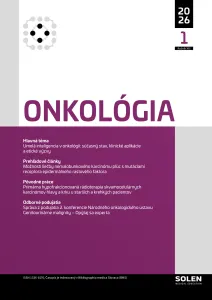



Onkológia 3/2019
Malignant lymphomas in adolescents – view of pediatrics
Unlike children, where acute leukemias are the most common malignancy, lymphoma is the most common malignancy among adolescents, accounting for > 25% of newly diagnosed cancers in the 15-19 year age group. Hodgkin lymphoma accounts for the majority (two-thirds) of cases, while the rest of patients have one of four subtypes of aggressive non-Hodgkin lymphoma: Diffuse large B-cell lymphoma, including primary mediastinal B-cell lymphoma, Burkitt lymphoma, lymphoblastic lymphoma, and anaplastic large cell lymphoma. Adolescents are part of the AYA group (adolescents and young adults) and they are treated predominantly under pediatric regimens. Treatment outcomes in adolescents are better than in adults. Despite of advances in therapy, relapses occur in a certain percentage in both types of lymphomas. Hematopoietic stem cell transplantation plays a key role in relapse management. New drugs - target therapy is also being given to children and adolescents. The inclusion of young people in clinical trials gives better chance for survival to patients with otherwise infaust disease in relapse.
Keywords: malignant lymphomas, incidence, characteristic, therapy, adolescence